
Key Concepts in International Taxation

tax substance, tax residency, effective management

In the intricate world of Tax Engineering, there comes into play tax terminology that will make the difference between tax avoidance and tax evasion. Below we cover prominent tax terms such as effective management, permanent establishment, core activity, and tax residence.

1. Effective Management

The Effective Management refers to the place where commercial and management decisions are made to carry out the business activities of an entity. It is a crucial factor in determining the tax residence of a company and, therefore, its tax liability in a specific country. For example, if a tech company has its effective management in Silicon Valley, California, United States, it will be considered a tax resident in that country and will be subject to U.S. tax laws regardless of its core activity.

2. Permanent Establishment

A Permanent Establishment is a concept used in international tax treaties and refers to a

physical presence or base of operations maintained by a company in a foreign country. It may include offices, factories, branches, among others, and can have important implications for the company's taxation in that country.

3. Core Activity

Core Activity is defined as the

place where an entity's main economic activities and financial interests e financial interests 4. Physical Nexus

Physical Nexus refers to a company's

physical connection or tangible presence in a country. It can manifest through the ownership of real estate , the carrying out of commercial activities, or the hiring ofin that country. This factor can be decisive in establishing the existence of a Permanent Establishment and, consequently, for taxation in that country. employees 5. Tax Residence

Tax Residence refers to the

country in which a person or entity is considered a resident for tax purposes . To determine tax residence, several requirements are considered:: Some countries establish a minimum number of days a person must spend in the country to be considered a tax resident. Generally, the person is required to have spent more than

  1. Physical presence183 days in the country during a tax year . Location of effective management

  2. Location of effective management: Tax residence can also be determined based on the place where the person or entity's main economic interests are concentrated. This may include the location of significant investments, the generation of the majority of income, or the possession of the bulk of assets in a specific country.

  3. Center of economic interestsIt is important to keep in mind that the criteria for determining tax residence can

  4. Family ties: If your spouse or minor children reside in Spain, the Spanish Tax Agency (Hacienda) may consider you a tax resident, even if you live more than 183 days abroad.

vary according to the tax laws of each country vary according to the tax laws of each country 6. Valid Economic Reason

Flag Theory

A Valid Economic Reason is a criterion used to evaluate whether business structures or transactions have a

justification justification 7. Tax Substance

7. Tax Substance

Real Operations
 
  1. Real OperationsPersonnel and Assets

  2. : Having local employees, offices, or assets in the jurisdiction to prove that the company is truly operating there.Strategic Decisions

  3. Strategic Decisions: Key decisions must be made within the jurisdiction, reflecting effective management from that location.

  4. Tax Compliance: The company must comply with local tax and corporate regulations, not just take advantage of low taxation.

Examples of Tax Substance:

  • A company that establishes its headquarters in a low-tax jurisdiction, but also has staff working in the office and makes operational decisions from that location.
  • An entity that manages a significant part of its supply chain, product development, or services from the jurisdiction.

Conclusion

In conclusion, understanding these terms in international taxation is essential for effective tax planning and compliance with tax obligations in the different countries where a company operates. By familiarizing themselves with Effective Management, Permanent Establishment, Core Activity, Physical Nexus, and Tax Residency, companies can make informed decisions that optimize their tax structure and minimize regulatory risks.

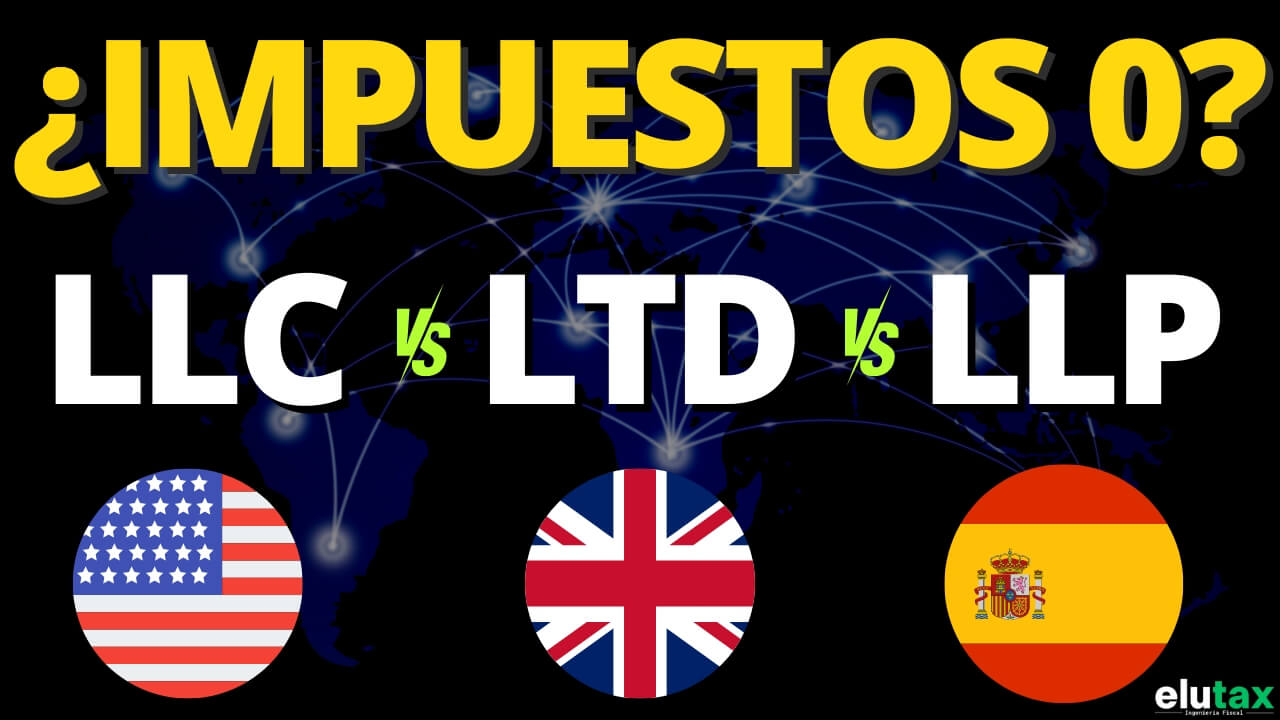
Having an LLC in itself is legal, however if your effective management, core of activity, and permanent establishment are in Spain, the LLC will lack substance. The ideal thing for a foreign company to make sense is to have international clients, foreign partners, or foreign investors.

The Effective Management refers to the place where commercial and management decisions are made to carry out the business activities of an entity. It is a crucial factor in determining the tax residence of a company and, therefore, its tax liability in a specific country. For example, if a tech company has its effective management in Silicon Valley, California, United States, it will be considered a tax resident in that country and will be subject to U.S. tax laws regardless of its core activity.

placewhere an entity'smain economic activitiesand financial interestsandfinancial interests4. Physical Nexus

physical presence or base of operationsmaintained by a company in a foreign country.It may include offices, factories, branches, among others, and can have important implications for the company's taxation in that country.

3. Core Activity

countryin which a person or entity is considered aresident for tax purposes. To determine tax residence, several requirements are considered:.

justificationjustificationbeyond mere tax optimization. This concept is crucial to differentiate between legitimate tax planning and evasive practices.

An operation with a valid economic motive implies that there are real commercial or economic reasons to carry out the transaction, in addition to the tax advantages it may generate.

Si has aprendido con este Blog.. ¡Compártelo!
Facebook
Pinterest
Twitter
LinkedIn
WhatsApp
Telegram
Email
Tumblr
FIN

Leave a Reply

Your email address will not be published. Required fields are marked *

Website

Índice : Conceptos Clave en Fiscalidad Internacional