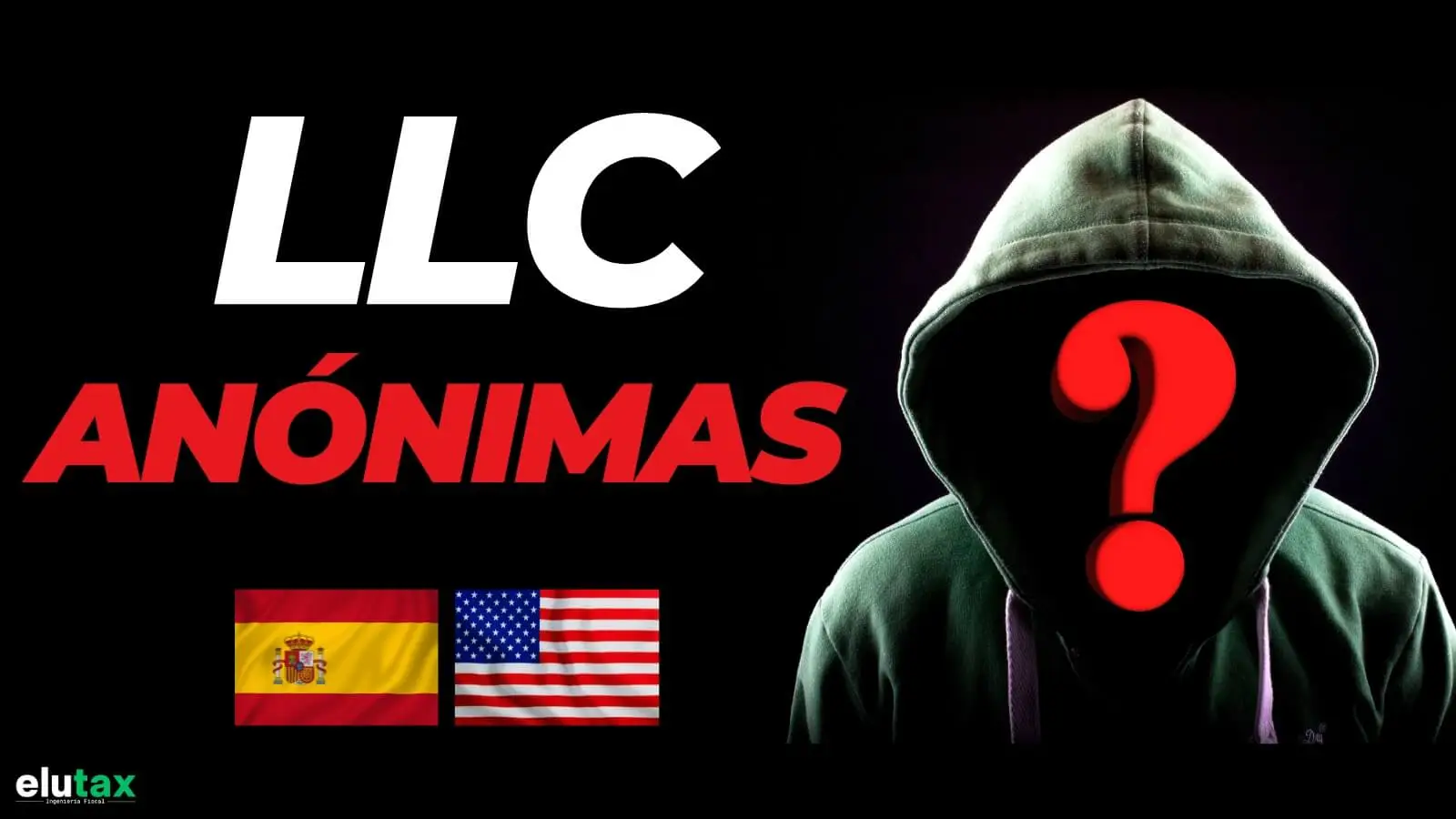
In today's business world, privacy and identity protection are more important than ever. Limited Liability Companies (LLCLLCs) in states like New Mexico, Delaware, or Wyoming are widely recognized for offering "anonymity", "corporate veil" or "CSOP". However, this anonymity is often misunderstood. In this article, we will clarify common beliefs and see how manager-managed LLC structures offer a more robust solution for those seeking real privacy.
Demystifying LLC Anonymity
At first glance, LLCs in states like NM, DE, and WY seem to offer a safe haven for their owners' identities. These states do not require LLCs to disclose information about their membersin public registries, which provides a level of commercial anonymity. However, this "anonymity" does not extend to interactions with banks, the IRS, and agencies like FBAR (Report of Foreign Bank and Financial Accounts). Furthermore, the implementation of Beneficial Ownership Information (BOI) is set to offer even more transparency, reducing the privacy many expect.
Therefore, LLCs in Delaware, New Mexico or Wyoming DO NOT offer real anonymity; they grant commercial privacy from the public, such as customers or competitors. This is because only the address and company name appear in the publicly accessible commercial registry. If the IRS or your country's tax authority decides to identify your LLC by auditing you, they can easily pierce the veil.
Create my LLC with Northwest →
Affiliate link: if you sign up through it, EluTax receives a commission at no extra cost to you. It does not replace professional tax consulting.
Manager-Managed LLCs
A safer alternative are LLCs configured as single or multi-member manager-managed. These structures can offer greater privacy due to their organizational complexity. In these LLCs, the owner members can designate an external manager for daily operations, keeping their names out of the company's direct documents and, therefore, out of easy public reach.
Legal Benefits and Protection
These LLCs not only improve privacy, but also offer advantages in terms of operational flexibility and protection against liabilities. By separating management from ownership, owners can protect their personal assets from litigation and claims against the company, a fundamental principle of all LLCs, but reinforced in this configuration.
Practical Cases and Examples
Consider the case of an entrepreneur who sets up a multi-member manager-managed LLC for an e-commerce business. The owner or ultimate beneficial owner of the LLC appoints a Manager Administrator ideally a foreigner in a jurisdiction with a territorial tax system. Despite substantial financial transactions and online visibility, the LLC structure ensures that your personal information remains protected, complying with all applicable US tax regulations.
If you are considering establishing an LLC or want to make sure your current structure maximizes protection and privacy, EluTax is here to help you. Our experts will advise you to review or set up your LLC with the structure that best suits your needs. Consult with EluTax today.

Conclusion
While LLCs in certain states offer a degree of anonymity, it is crucial to understand the limits of this privacy and how proper structures can offer more effective solutions. With proper guidance and a well-planned structure, LLCs can be a powerful tool for privacy protection and wealth management.
This blog seeks to clarify the complications and solutions surrounding LLC "anonymity," providing a realistic and practical perspective on how to manage privacy in the modern business environment.
Lorem ipsum dolor sit amet, consectetur adipiscing elit. Ut elit tellus, luctus nec ullamcorper mattis, pulvinar dapibus leo.
Frequently Asked Questions
1. What is the "corporate veil" and how does it protect an LLC's owners?
The "corporate veil" legally separates the owners from the company's liabilities, protecting their personal assets against debts or lawsuits. However, it can be pierced in cases of fraud or negligence, exposing the members.
2. What information about an LLC's owners is public?
In states like Wyoming, Delaware, Nevada, and New Mexico, the owners' names are not public. Only the company name and address are registered, although the IRS and other agencies can access this information if necessary.
You must also study whether your business model is suitable for billing from abroad, if you have a restaurant, employees, etc. The tax office will end up tapping you on the shoulder. However, if your activity is online, e-commerce, trading, content creator, marketer, digital services, etc., in that case, there is no problem.
3. What is a 'Manager-Managed' LLC and how does it improve privacy?
A ‘Manager-Managed’ LLC designates a manager to operate the business, keeping the owners' names off public documents and improving their privacy.
4. Does an anonymous LLC protect me from audits or tax investigations?
No. Although an anonymous LLC hides the owners from the public, entities like the IRS and banks can request the owners' information during audits or investigations.
5. How do new regulations, such as Beneficial Ownership Information (BOI), affect LLC privacy?
The BOI will require LLCs to report their owners to the authorities, reducing privacy against governmental entities even if the information is not public.
6. What risks exist when using an anonymous LLC?
Risks include the possibility of the "corporate veil" being pierced in cases of fraud and the exposure of information to regulations like the BOI. Additionally, tax agencies may request owner details.
Restaurants, real estate, services requiring physical presence, a warehouse or office with materials needed for the activity... These are some examples that should not be billed from a foreign company.
E-Commerce as long as you outsource everything, logistics, importation, customization, etc. Dropshipping in that case is viable to bill with the LLC. Consulting, trading, digital services or products, freelancer, online training, content creator, affiliate marketing, media buyer. These are some businesses suitable for the LLC.
7. What do Wyoming, Nevada, Delaware, and New Mexico have in common regarding LLCs?
These states allow LLCs to be registered without publicly disclosing the owners' names and offer strong "corporate veil" protections, making them popular for those seeking business privacy.
Lorem ipsum dolor sit amet, consectetur adipiscing elit. Ut elit tellus, luctus nec ullamcorper mattis, pulvinar dapibus leo.